K-Beauty Notes
Selecting Centella serum: Cica and ampoules explained clearly
Cica and Centella explained clearly: When a serum or an ampoule is suitable and how the light SKIN1004 care finds its place in front of your cream.
SKIN1004 or Anua: Select and use azelaic acid serum
Small SKIN1004 format or Anua with hyaluronic care: Clearly select two azelaic acid serums and slowly introduce them into your routine.
White tea in cosmetics: extract or fragrance name?
White tea extract and a white tea scent are not the same. A quick look at the list of ingredients will help you make your choice.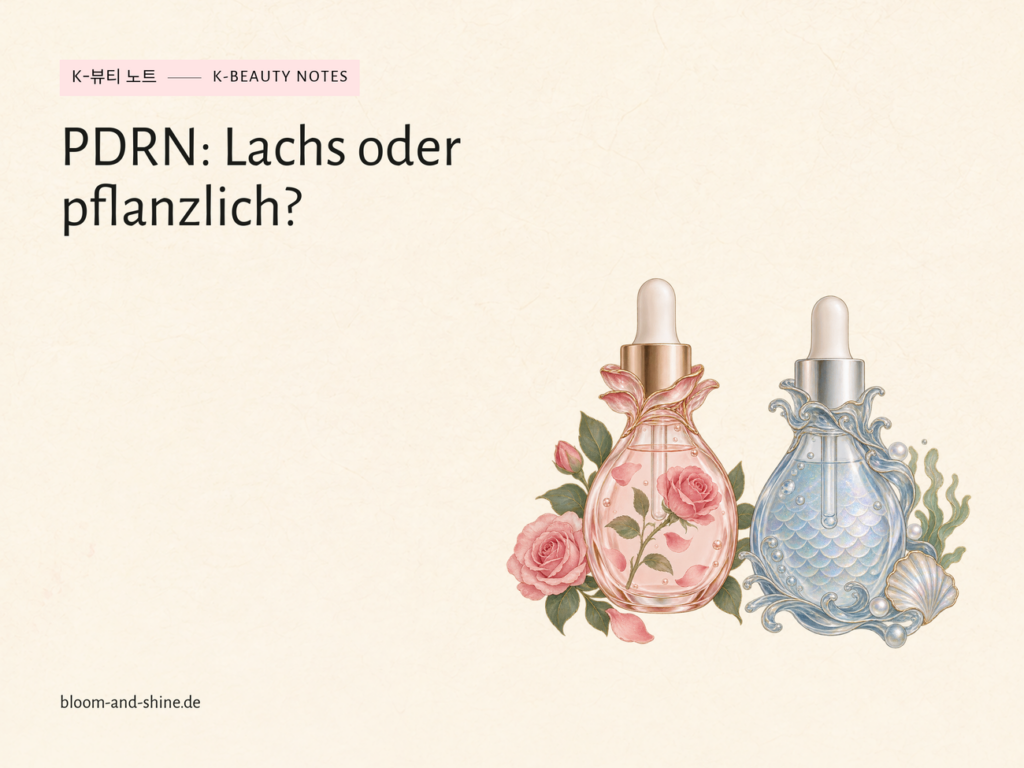
PDRN from salmon or plants: What does “vegan PDRN” mean?
PDRN is not automatically vegan - and “Rose PDRN” does not say everything about the complete recipe. This way you can read the information more carefully.
Fermented skin care: What Bifida and Galactomyces mean
Understanding fermentation on the label: What Bifida and Galactomyces reveal, how essence and cream differ and what the microbiome promise leaves open.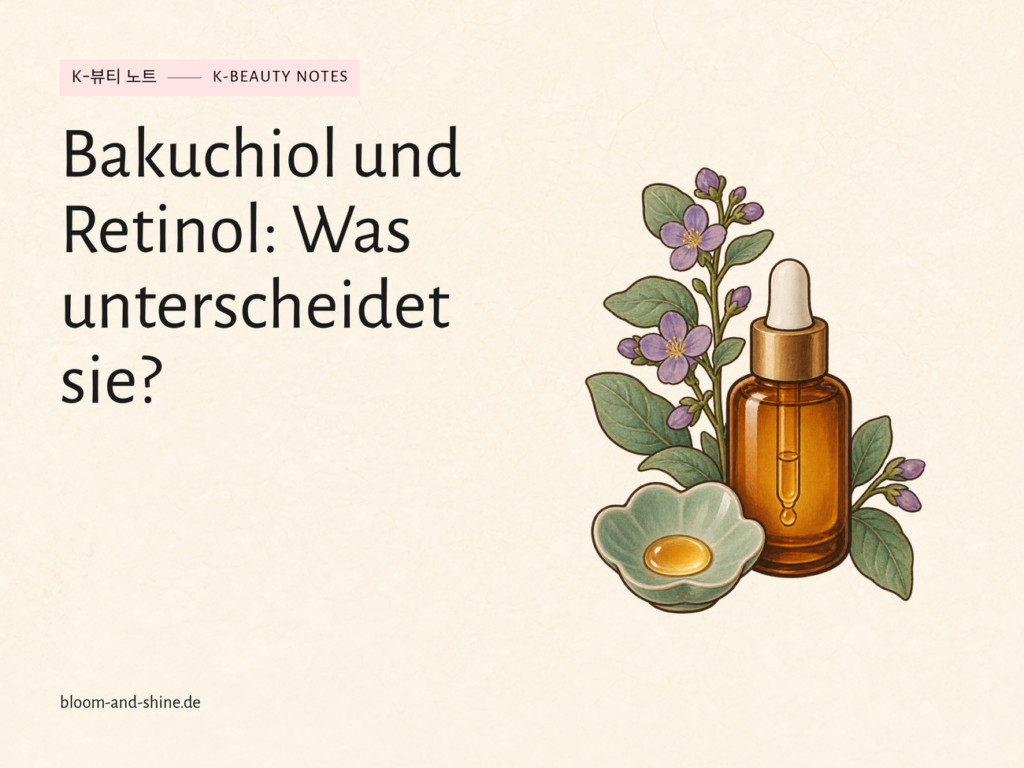
Bakuchiol in skin care: What makes it different from retinol?
Bakuchiol is its own ingredient. Lee explains the oft-quoted comparative study, its limitations, and two different product examples.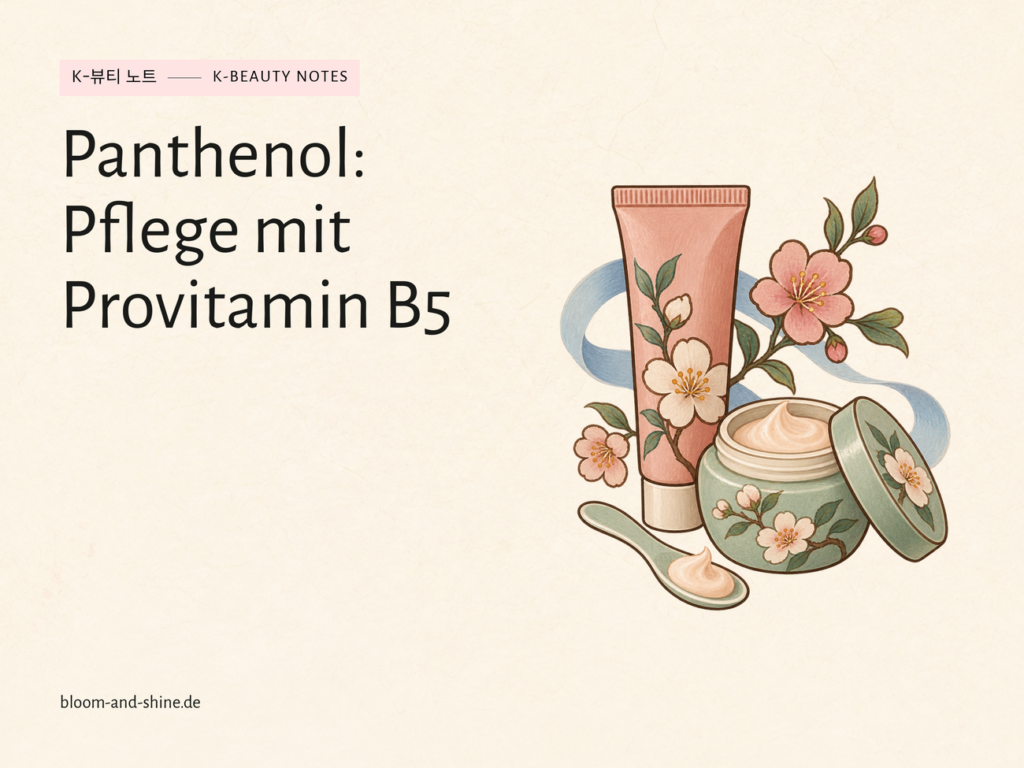
Panthenol in facial care: What does provitamin B5 mean?
Panthenol and provitamin B5 are related. A look at moisture, recipes and two care products will help you compare serum and cream sensibly.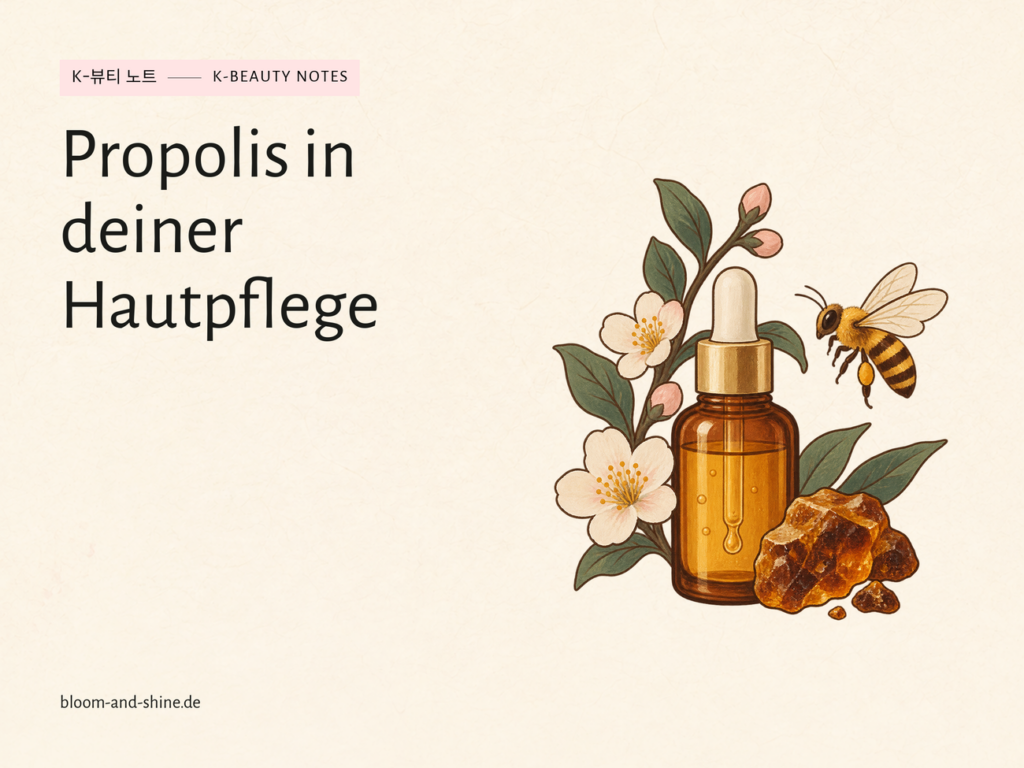
Propolis in skin care: What is behind the bee resin?
Propolis is bee resin and is found in many golden serums and toners. Lee explains the origin, two specific recipes and the limits of vegan care and allergies.
Ginseng in skin care: A look at ginseng, rice and green tea
A root, a rice grain, a tea leaf: Lee looks at the preparation behind the plant name and explains what helps with the selection.
Vitamin C in skin care: application, combinations and storage
Morning or evening, before the cream or in the fridge? When it comes to vitamin C, it's worth looking at the exact recipe. Lee goes through the questions with you.
Niacinamide: When it suits your care
Maybe your favorite cream already contains niacinamide. Lee will help you understand his tasks and select further care based on your needs.
PDRN, collagen and peptides: Three care terms in comparison
Three big names on one serum: Lee explains what differentiates collagen, peptides and PDRN and which information will really help you when choosing your care.
TECA, Cica and Madecassoside: What’s the difference?
Three names, one plant – but different meanings. This is how you understand TECA, Cica and Madecassoside in your care.
PDRN in skin care: What’s in the serum – and who is it suitable for?
PDRN appears in more and more Korean sera. We explain what the term means and what you can pay attention to when choosing.
AHA, BHA and PHA: Which peeling suits your skin?
Rough skin, blackheads or looking for a mild peeling: Lee will help you classify AHA, BHA and PHA and read the appropriate product instructions.
Collagen Banking: What’s behind it – and what can care provide?
A collagen account for later? We classify the trend and explain what UV protection, moisturizing care and additional active ingredients can actually contribute.
Cosmetic scanner apps: CodeCheck, Yuka and INCI Beauty
An app finds the cream, but what is behind the ingredients? We introduce CodeCheck, Yuka and INCI Beauty and show you how to classify their clues using our lexicon.
Beta-glucan for the skin: What can the ingredient do?
Beta-glucan can also be found in a hyaluronic toner. We look at its cosmetic classification, the limitations of small studies and its application in everyday life.
Ingredients in K-Beauty: What suits your care needs?
Hyaluronic acid, cica or niacinamide? Lee sorts the names according to your questions and shows you how to choose the right care.
Combining niacinamide, azelaic acid and vitamin C: FAQ
Which serums go together and what is already included? Nine answers will help you clearly classify niacinamide, azelaic acid and vitamin C.
Alpha-Arbutin: What can the ingredient do in your skin care?
Differentiate between alpha-arbutin and arbutin and include a specific serum with 2 percent alpha-arbutin in your routine.
Squalane: What is it – and is squalene the same?
Squalane and squalene briefly distinguished: oil component, water binder and a suitable serum example for your routine.