K-Beauty Notes
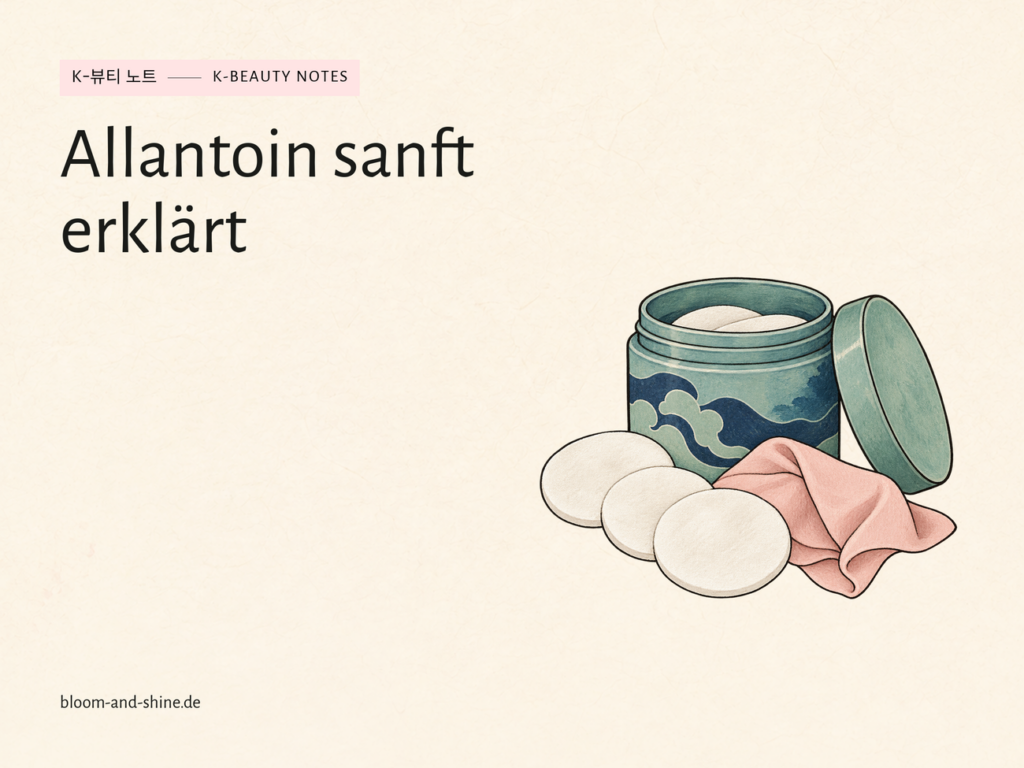
Allantoin: What does the inconspicuous ingredient do in your skin care?
Allantoin in brief: This is how you recognize the nourishing ingredient and classify it using the example of the Biodance Cera-nol Toner Pads.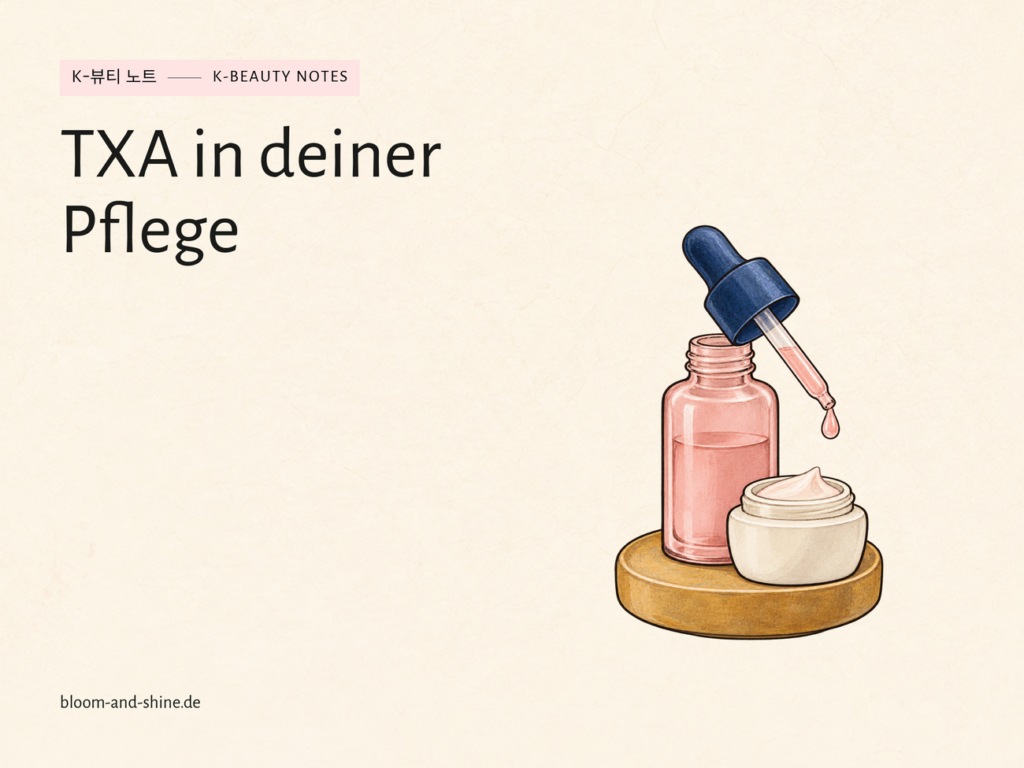
Tranexamic acid for skin: What does TXA mean on your serum?
TXA is called tranexamic acid. We explain the substance in cosmetic care and the combination with niacinamide in a serum from Anua.
Zinc PCA: What makes it different from other zinc compounds?
Zinc PCA and Zinc Oxide are different compounds. A quick look at the INCI helps to classify a serum with zinc PCA appropriately.
Combining Niacinamide and Retinol: How do you keep your routine organized?
Niacinamide and retinol can appear in a routine. Two specific products show how sequence and a slow introduction remain clear.
Bamboo in skin care: Also found in sun protection
Bamboo water and leaf extract can also be found in sun care. A quick look at their names and their place in the recipe.
Pearl extract: Does care with pearls have to shimmer?
Pearl extract is not a promise of glitter or smoothed wrinkles. What the ingredient means and how to use a Pearl sheet mask.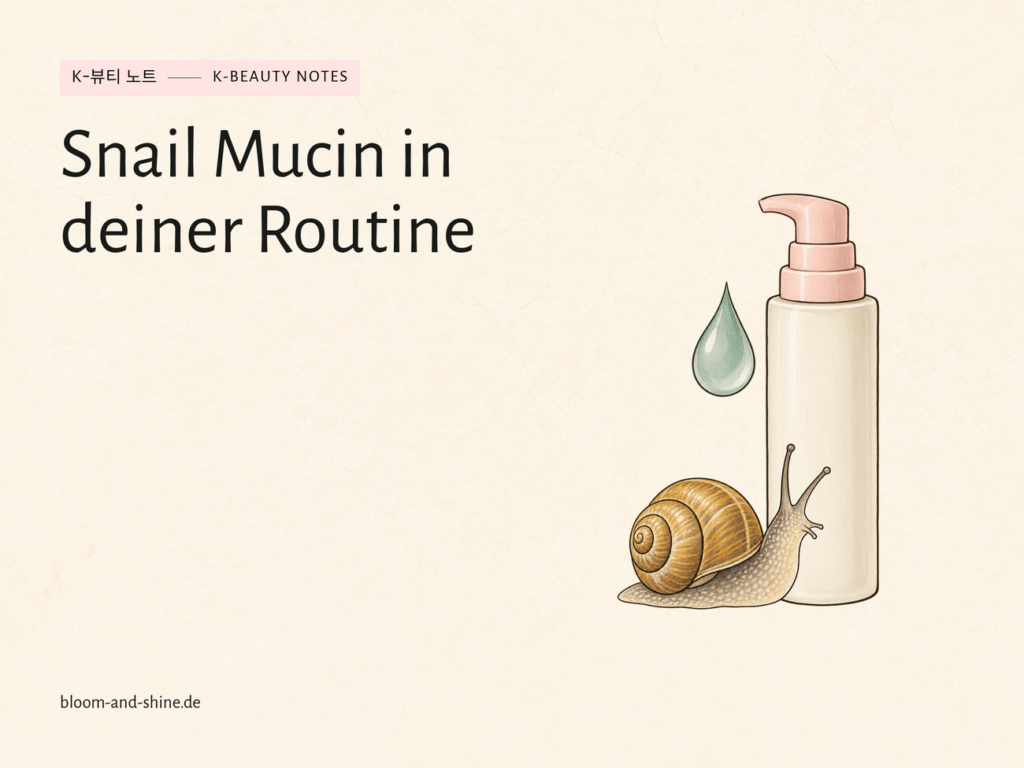
Snail Mucin: Where does an essence fit into your routine?
The special texture of Snail Mucin and its place between cleansing and cream - briefly explained using the example of COSRX Snail 96 Essence.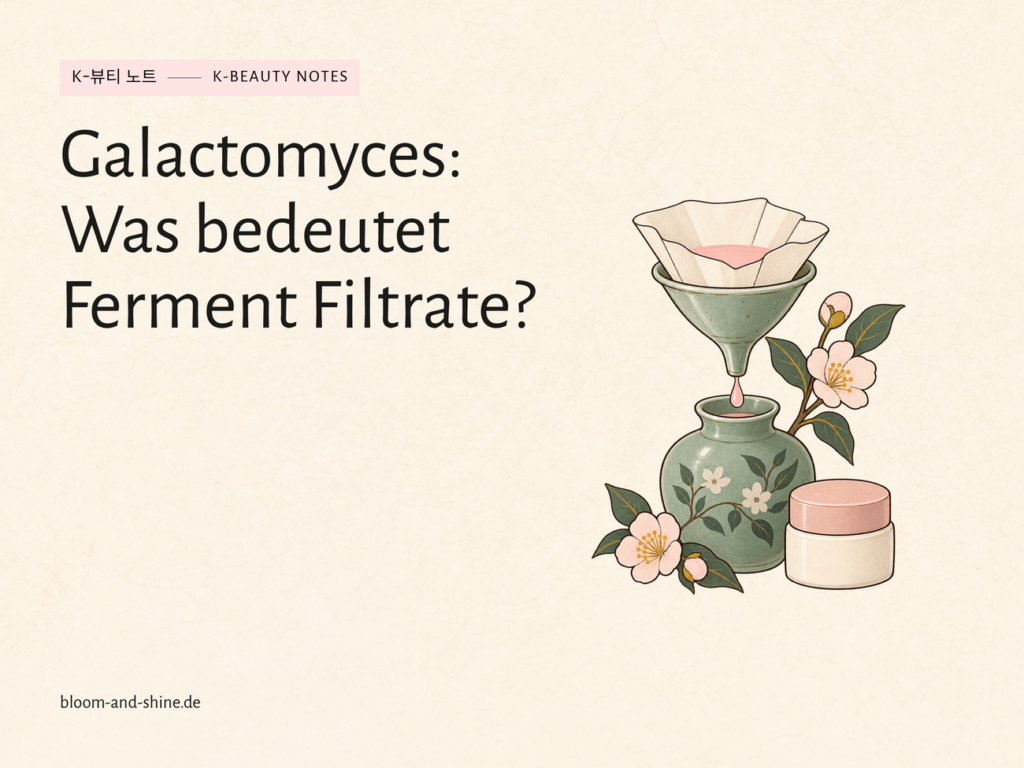
Galactomyces: What does Ferment Filtrate mean?
The long name Galactomyces Ferment Filtrates is clearly resolved - with a cream example for everyone who likes to keep their routine short.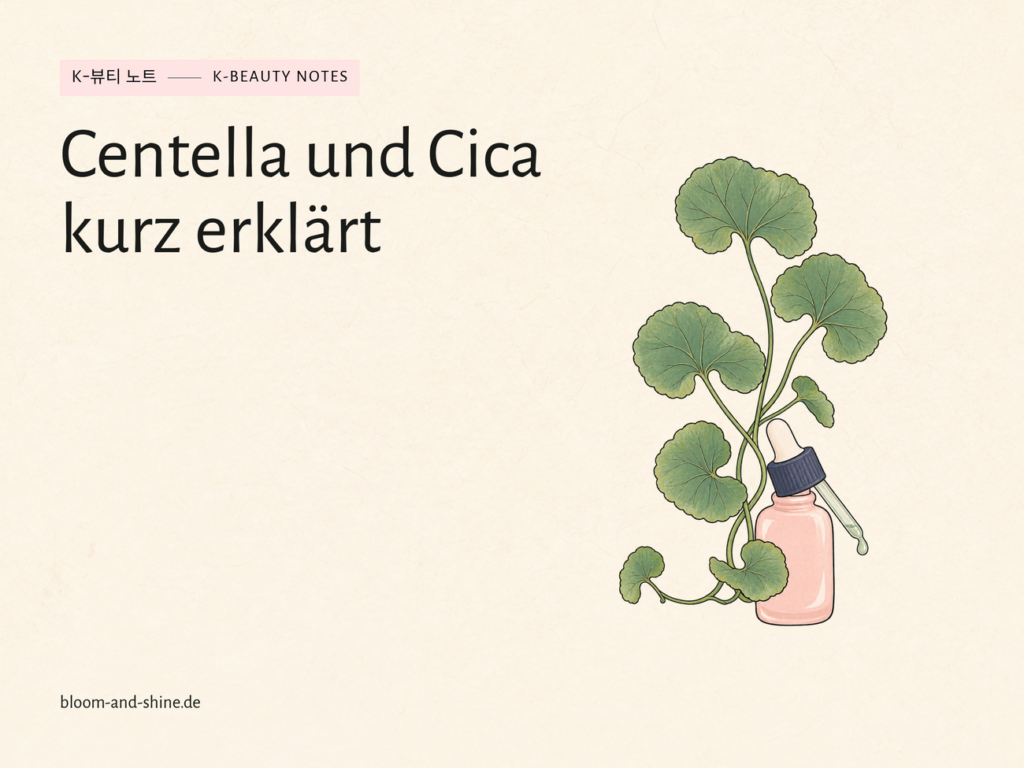
Centella and Cica: Two names for the same plant?
You often encounter centella, cica and tiger grass next to each other. Here you can find out what the names have in common and where a Centella ampoule belongs.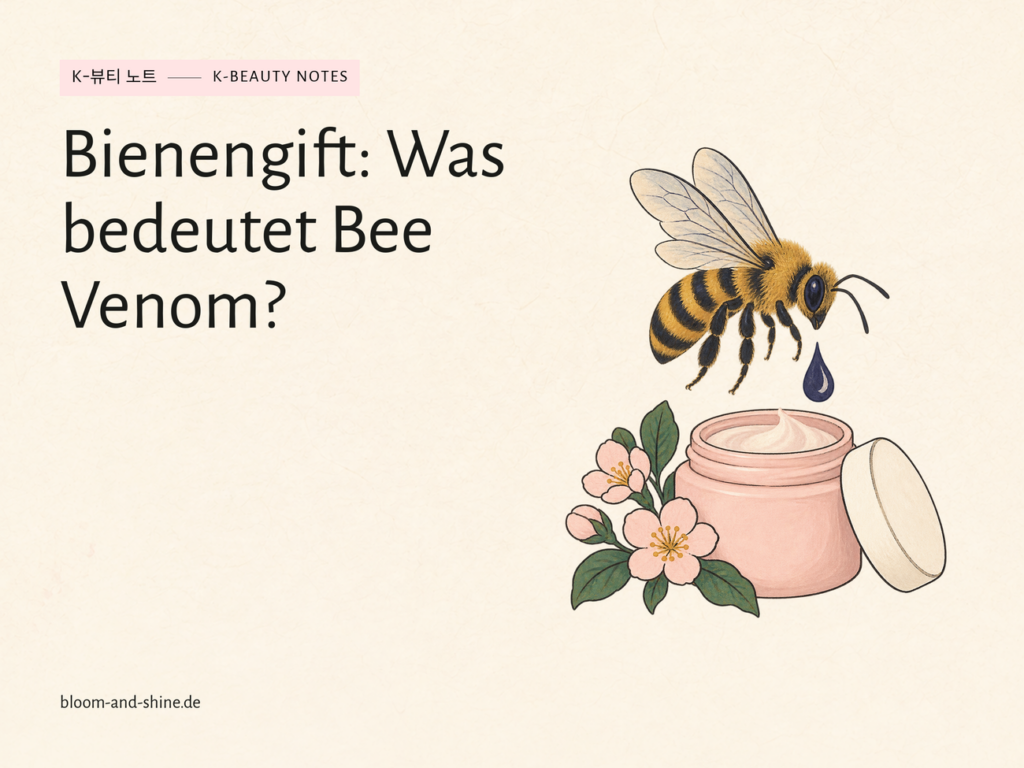
Bee venom in cosmetics: What does Bee Venom mean?
Bee Venom means bee poison. What makes the ingredient different from honey and why individual tolerance is important when choosing.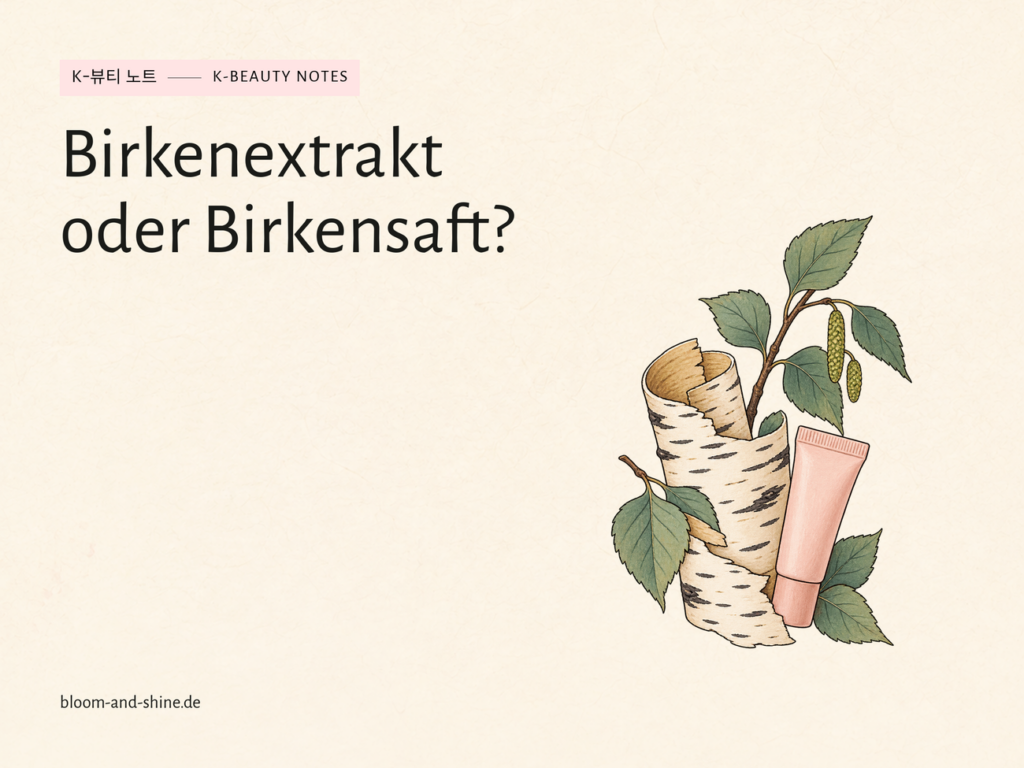
Birch extract and birch sap: what’s the difference?
Birch extract and birch sap are different ingredients. This is how you recognize them and classify birch in your care.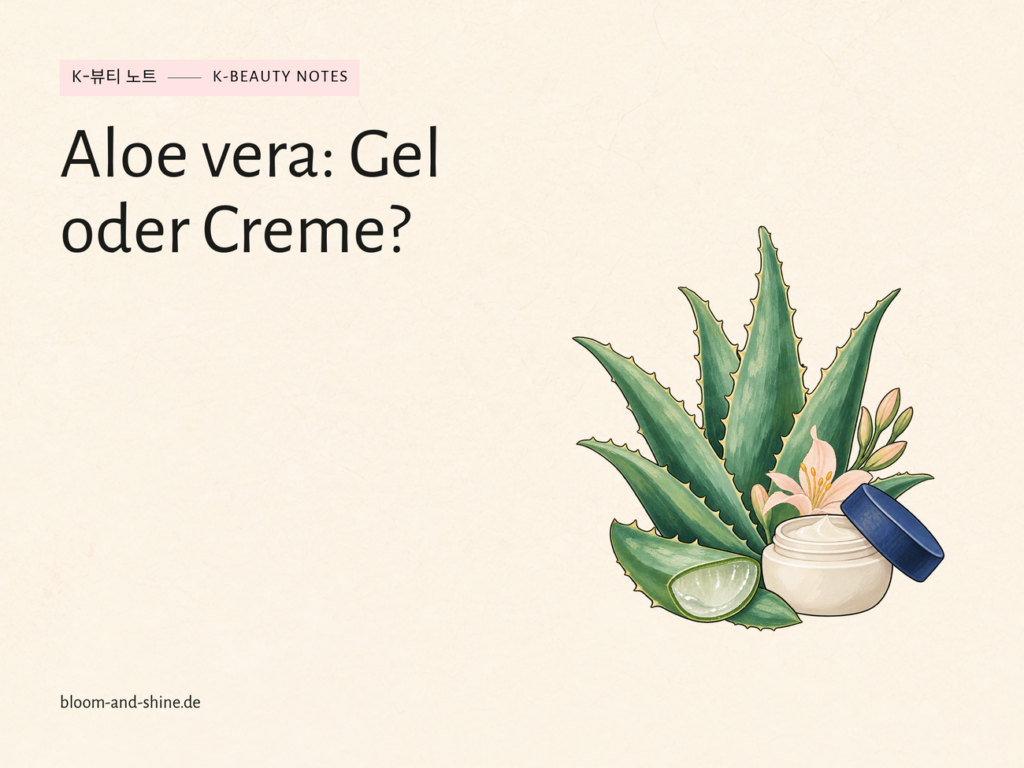
Aloe vera: Muss es immer ein Gel sein?
Aloe vera is also used in rich care. What distinguishes the leaf extract from the finished gel or cream.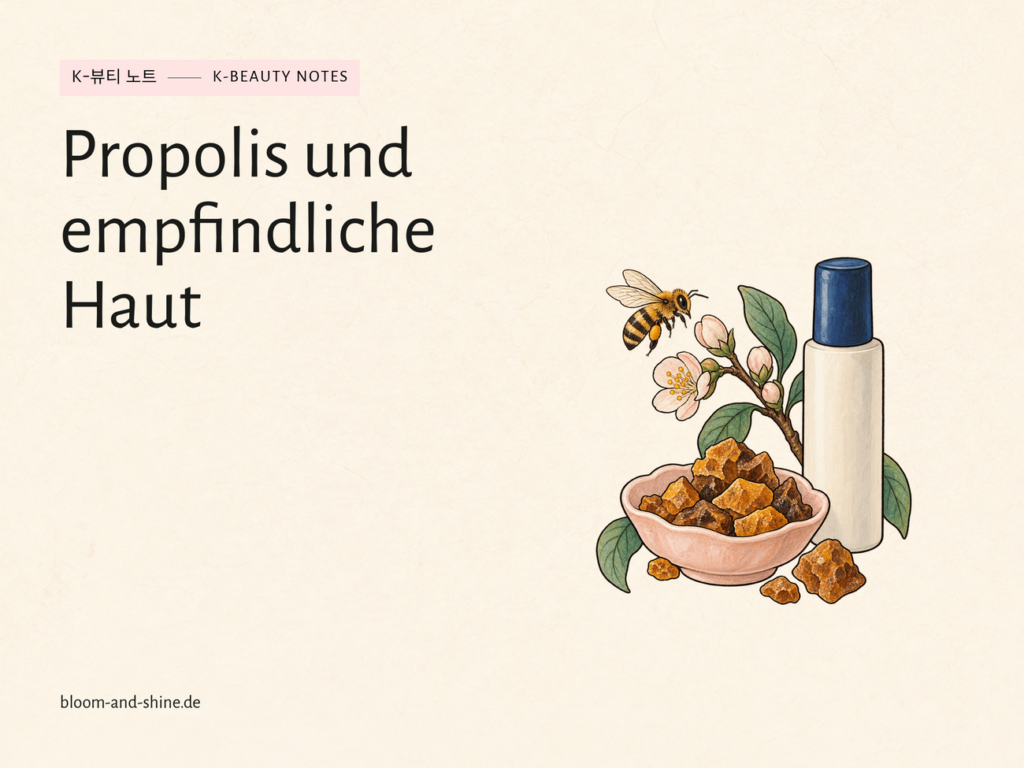
Propolis: Is bee resin suitable for sensitive skin?
Propolis can be an easy moisturizing step. For sensitive skin, individual tolerance counts.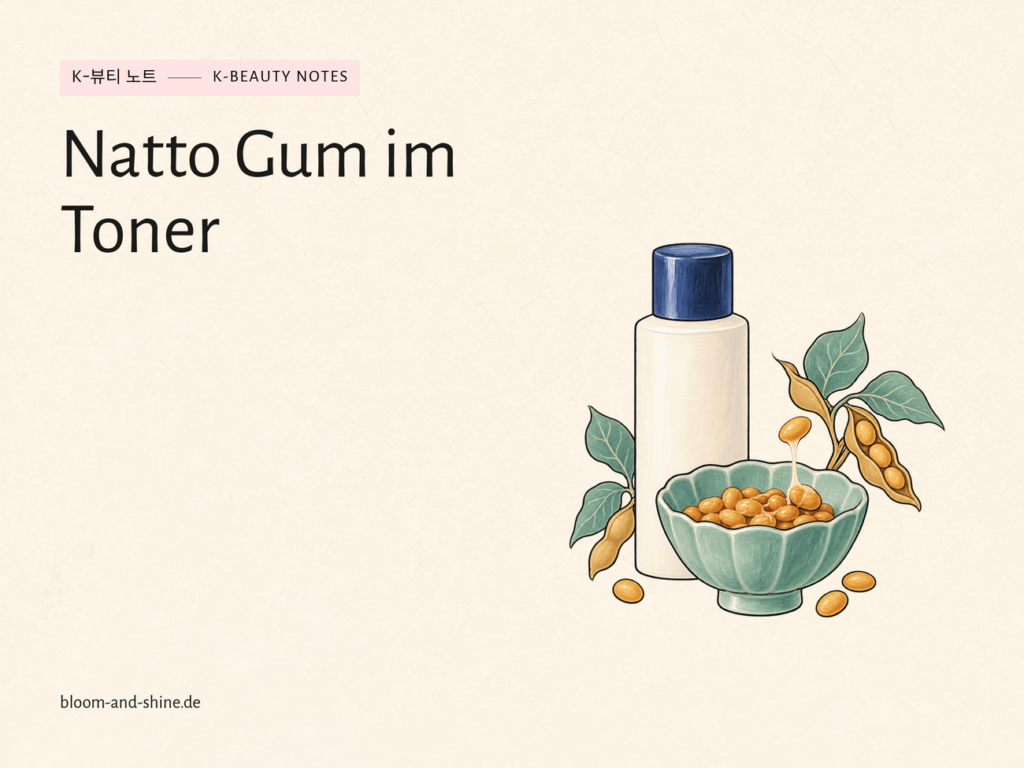
Natto Gum: What does it do in your toner?
Natto Gum forms a fine film on the skin. A quick look at its purpose and a toner that contains it.
Liquorice extract: Why is it in cleansing foam?
Licorice root extract can also complement a cleanser. This is how you recognize him and classify his task.
Tea tree oil: what does it do in cleansing gel?
Tea tree oil in the cleanser: What makes it different from tea tree water and how to use a ready-made recipe.
Activated carbon: what can it do in a face mask?
Activated carbon binds substances to its surface. What that means in a cleansing mask and how to gently wash it off.
Algae in care: What is behind Laminaria?
What Laminaria Japonica Extract means and how seaweed extract is found in a light facial mist.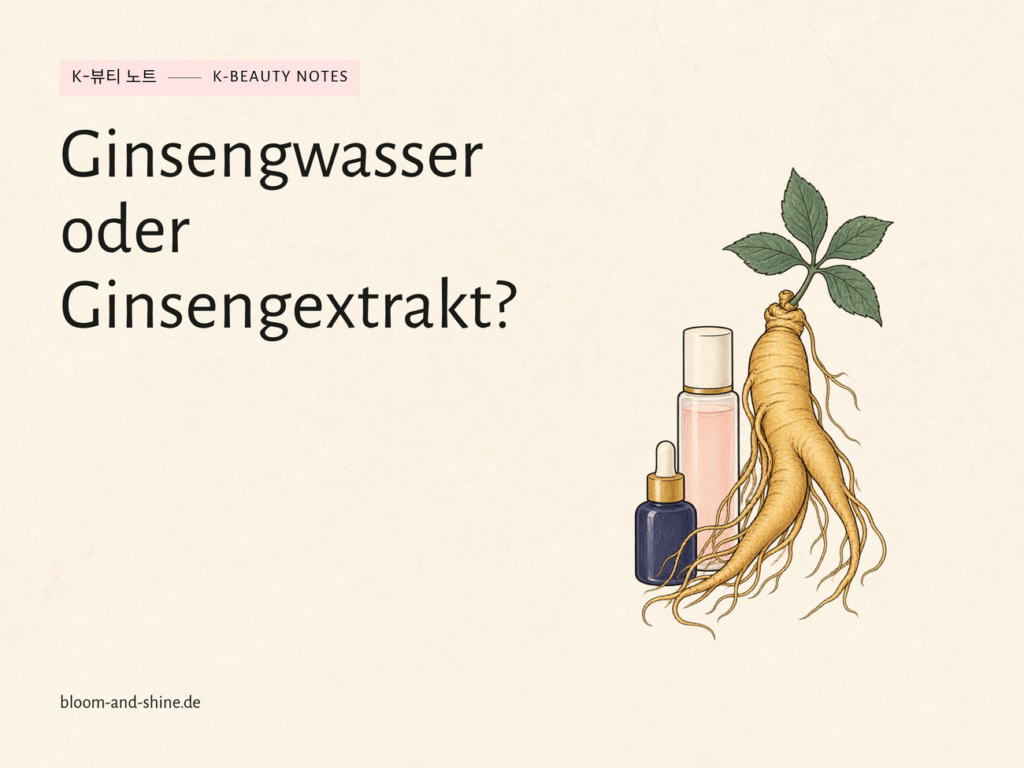
Ginseng water and ginseng extract: what is the difference?
Root water and extract are different ingredients. This is how you read the ginseng names on your Essence.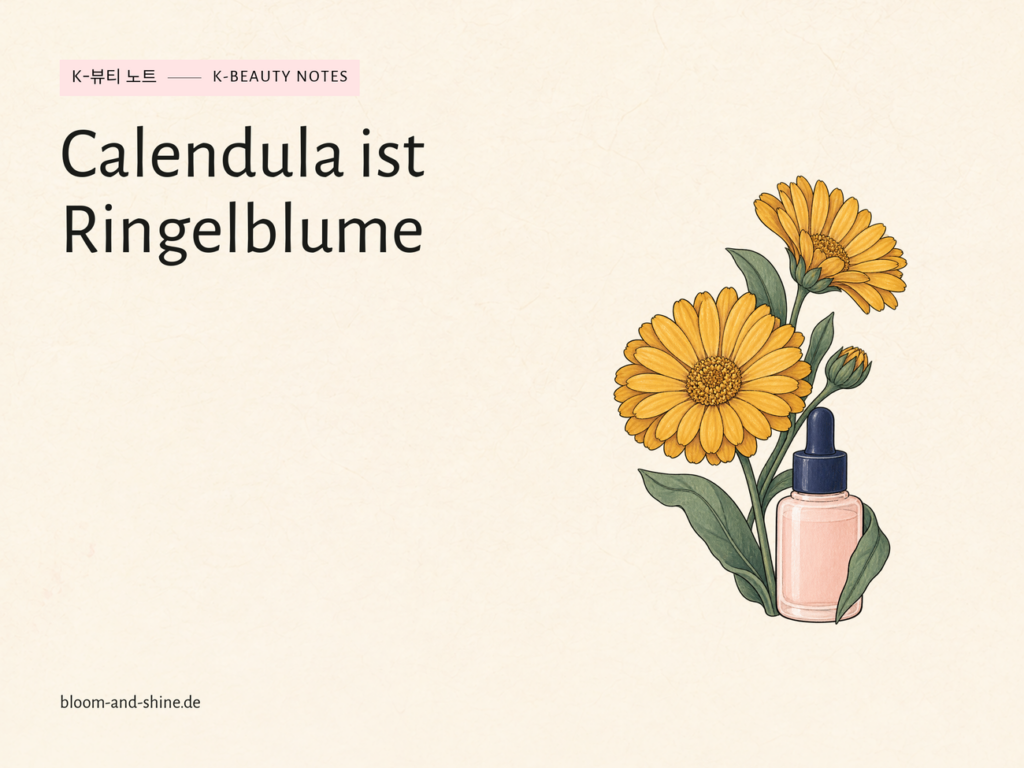
Marigold: What does Calendula mean in your care?
Calendula is marigold. This is how you can recognize their flower extract in the list of ingredients and find it in a light serum.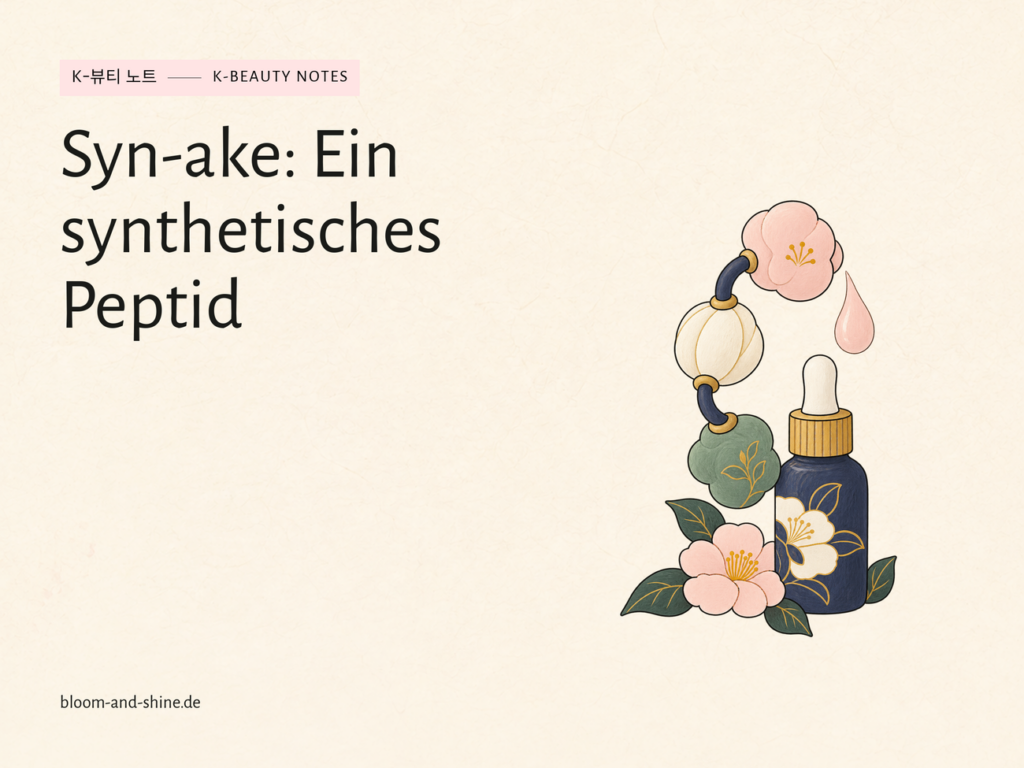
Syn-ake: Is there really snake venom in nursing?
Syn-ake refers to a synthetic peptide active ingredient. What's behind the name and in which serum the ingredient is found.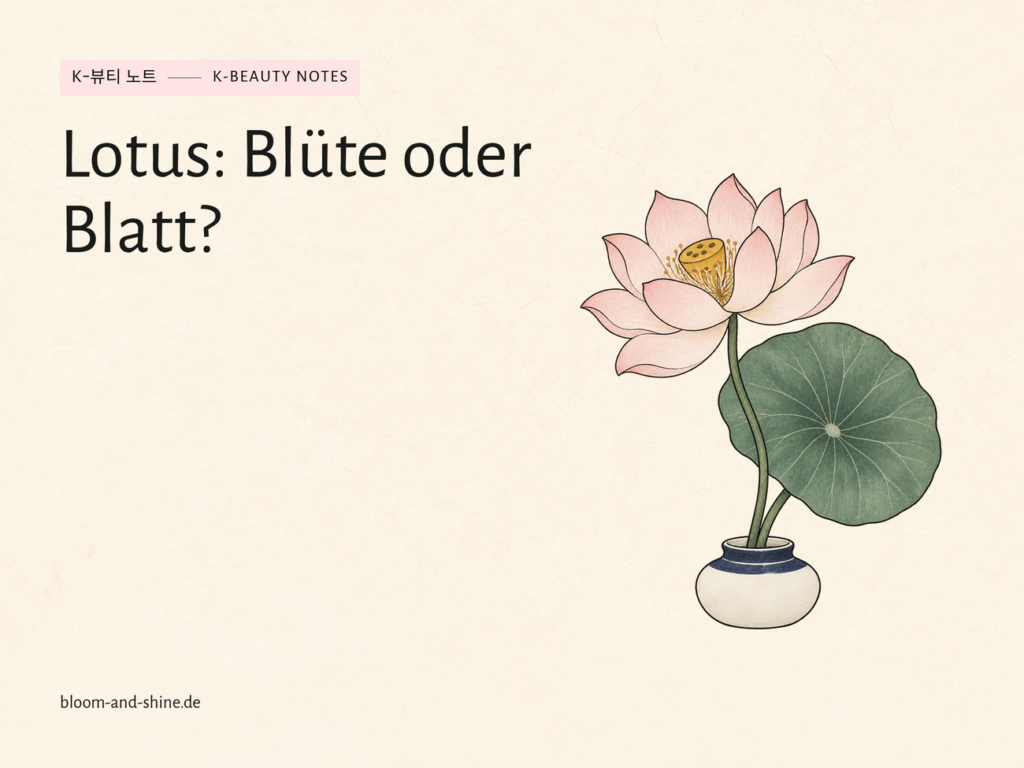
Lotus flower care: flower or leaf?
Flower or Leaf? A small word reveals which part of the lotus flower is in your care.