Cosmetic scanner apps: CodeCheck, Yuka and INCI Beauty
An app finds the cream, but what is behind the ingredients? We introduce CodeCheck, Yuka and INCI Beauty and show you how to classify their clues using our lexicon.

Cosmetic scanner apps: CodeCheck, Yuka and INCI Beauty
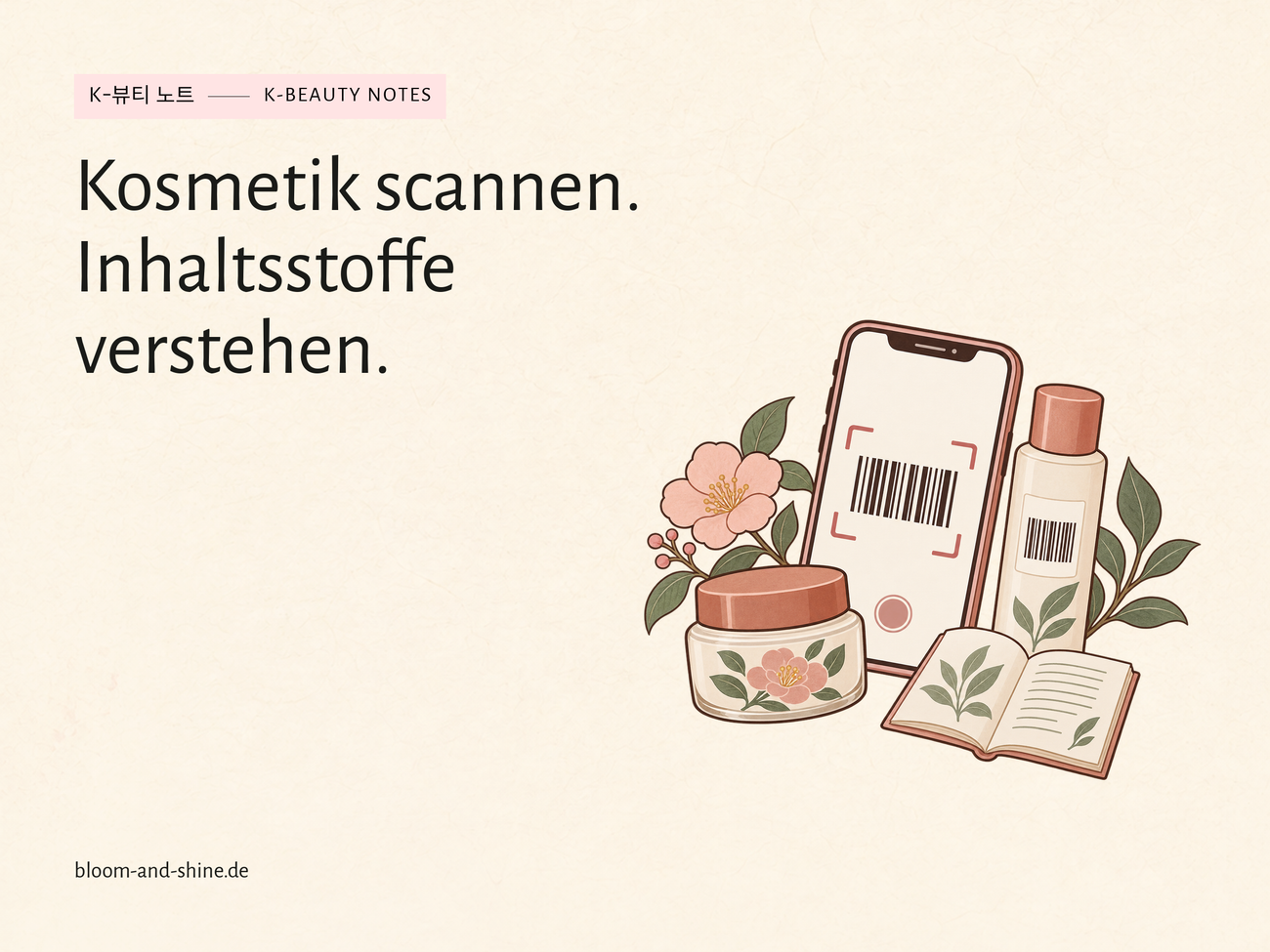
You have discovered a cream, turn the package over and get stuck on the list of ingredients. Aqua is still familiar. It gets more difficult with the next names. A cosmetic scanner app can make it easier for you to get started: capture the barcode, find the product, read the ingredients. This becomes particularly helpful if you then understand why a substance is in the recipe in the first place.
We recommend three apps for different needs: CodeCheck, Yuka and INCI Beauty . Our selection is based on the providers’ documented functions, with a view to product search, ingredient information and free entry. We will show you how to turn an unknown name into understandable care information using our “Understanding ingredients” guide .
Our top 3 scanner apps for cosmetics
- CodeCheck: if you want to look up cosmetics and food and enter your personal selection criteria.
- Yuka: if you are looking for a quick, easy-to-understand evaluation with explanations and alternative suggestions.
- INCI Beauty: if you concentrate on cosmetics and want to search for products without a barcode.
The best choice depends on what you are missing when shopping. For a casual look at a cream, you need different features than for searching for a specific serum without packaging.
1. CodeCheck: Ingredients and your own wishes at a glance
CodeCheck records the product barcode and shows the associated database entry with ingredients and a colored rating circle. You can also search for products by name. This is useful if you’re browsing online and don’t have the bottle in your hand yet.
Personal preferences can be stored with a user account. The app also suggests alternatives. If there is a noticeable amount of color, open the explanation: CodeCheck also takes environmental aspects into account. Such a classification answers a different question than whether your skin can tolerate a cream.
Good for getting started: According to the CodeCheck FAQ , five product scans per calendar week are currently free. Additional scans are available via purchase packages or the Plus subscription, among other things. The free scope is often enough for a few targeted discoveries.
2. Yuka: A quick overview with rating
Yuka scans food as well as cosmetic and hygiene products. The app summarizes your assessment in a score up to 100 and a color. If products are rated accordingly low, it suggests alternatives. This can show you new products that you hadn’t even considered before.
For cosmetics, the ingredient classified as most critical according to Yuka’s method initially determines the evaluation range. The other substances influence the exact grade. That’s why it’s worth looking at the reasoning behind the number. This score does not assess how well a cream provides moisture or how comfortable a serum is. Yuka explicitly states that effectiveness is not taken into account in the evaluation.
The basic version allows scanning. A product search without scanning and offline mode are part of the premium version. If you often see care on the screen and want to look it up immediately, this difference is relevant.
3. INCI Beauty: The focus is on cosmetics
At INCI Beauty the focus is on cosmetic products and their composition. You can scan barcodes or search for products. The app works with a rating from 0 to 20 and offers details about the stored ingredients as well as alternative suggestions.
According to the provider, product scans and product searches are free and unlimited. This makes the app interesting if you want to get to know several creams or toners. Additional functions such as offline mode, search filters by ingredients and analysis of products without barcodes belong to Premium. The free name search is different than analyzing a product without a barcode that has not yet been recorded.
You can find INCI Beauty in the Apple App Store and at Google Play . The same applies here: The grade follows the provider’s criteria. It is not a personal compatibility prognosis.
What a barcode tells you – and what remains open
The barcode leads to a saved product entry. The app does not examine the contents of your bottle. That’s why the product name, variant and list of ingredients should match the product in your hand. Recipes can change while the previous list is still in a database.
Especially when you discover a new K-Beauty brand, a product can be missing. First of all, this is a data gap and not an assessment of its quality. Conversely, a barcode found does not prove that a product is genuine.
A color alone also says little about how care suits your everyday life. You may want a light layer under sunscreen or a richer cream for evening use. These wishes can still have their place in the selection. In the case of a known contact allergy, the specific trigger is crucial; A good overall grade does not replace comparison with the current list of ingredients.
From scan to understanding: Our ingredient lexicon
Maybe exactly one name sticks after the scan: glycerin, carbomer or sodium hyaluronate. You can enter it in our ingredient dictionary from Bloom & Shine and read about the tasks the substance can take on in a recipe. The entries link their sources and make it clear where a question is still open.
This changes the way you look at a long list. One substance can bind moisture, another can hold the cream together or give it a pleasant consistency. Not every name has to be a major active ingredient to have a meaningful place in care. Our lexicon explains these functions; it does not award an overall score for a finished product.
Try it with a product you are curious about: Search for it in one of the apps, take an unknown name from the ingredient list and look it up with us. This way you can get to know your next skincare product before you apply it for the first time. If you then hesitate between two textures or have a cosmetic selection question that remains unanswered, you can ask Thu directly via “Ask Thu” . Describe to her how your skin feels right now and what you want from the care.
FAQs about cosmetic scanner apps
Which app is suitable for finding new care products?
All three apps presented offer product information and alternative suggestions. CodeCheck and INCI Beauty can be used to search for a product name for free; At Yuka, this function is part of Premium. The suggestions can expand your selection, but do not automatically take into account all personal skin needs.
Why does the same cream get different reviews?
The apps use their own criteria, weightings and data sets. Personal settings can also play a role in CodeCheck. A value of 18 at INCI Beauty cannot therefore easily be converted into a Yuka score. What is more meaningful is which ingredient is highlighted and for what reason.
Do I have to replace a well-tolerated cream because of an app score?
A score alone is not a sufficient basis for this. Read what the notice refers to and whether it applies to your specific product. If you have symptoms or a suspected allergy, a dermatological examination will help; the app cannot diagnose the trigger.
Is a cosmetic scanner the same as a QR code scanner?
A normal QR code scanner primarily opens stored information or links. Cosmetic scanner apps connect the product barcode with their own product database and classification. You need this additional database for ingredient information.
Sources and editorial status
Functions checked on September 18, 2026. Free scope and premium functions are subject to change. The basis is the published provider information; The order is our editorial selection and not a ranking from a practical comparison test.