K-Beauty Notes

Ingredients in K-Beauty: What suits your care needs?
Hyaluronic acid, cica or niacinamide? Lee sorts the names according to your questions and shows you how to choose the right care.
K-Beauty as an alternative to luxury cream: What suits you?
A cream must suit your skin and your budget. We show you how to compare alternatives and which products you can take a closer look at.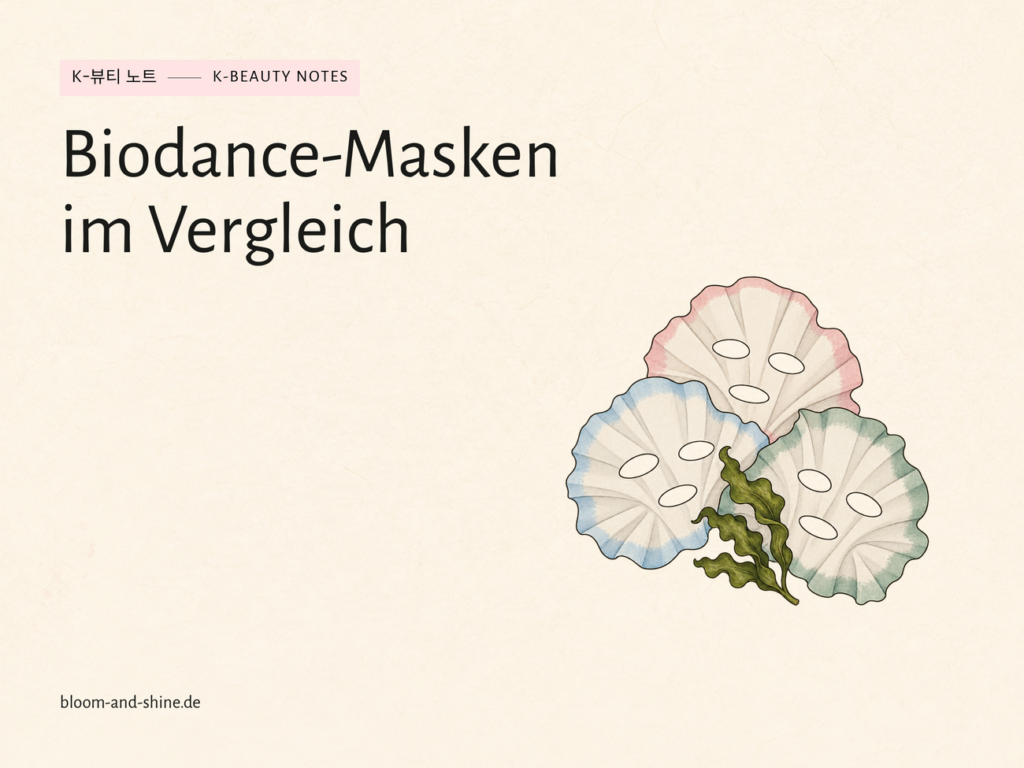
Biodance masks in comparison: Bio Collagen, Cera-nol or Sea Kelp?
Three Biodance hydrogel masks, different care focuses: This is how you compare Bio Collagen, Hydro Cera-nol and Sea Kelp and use them appropriately.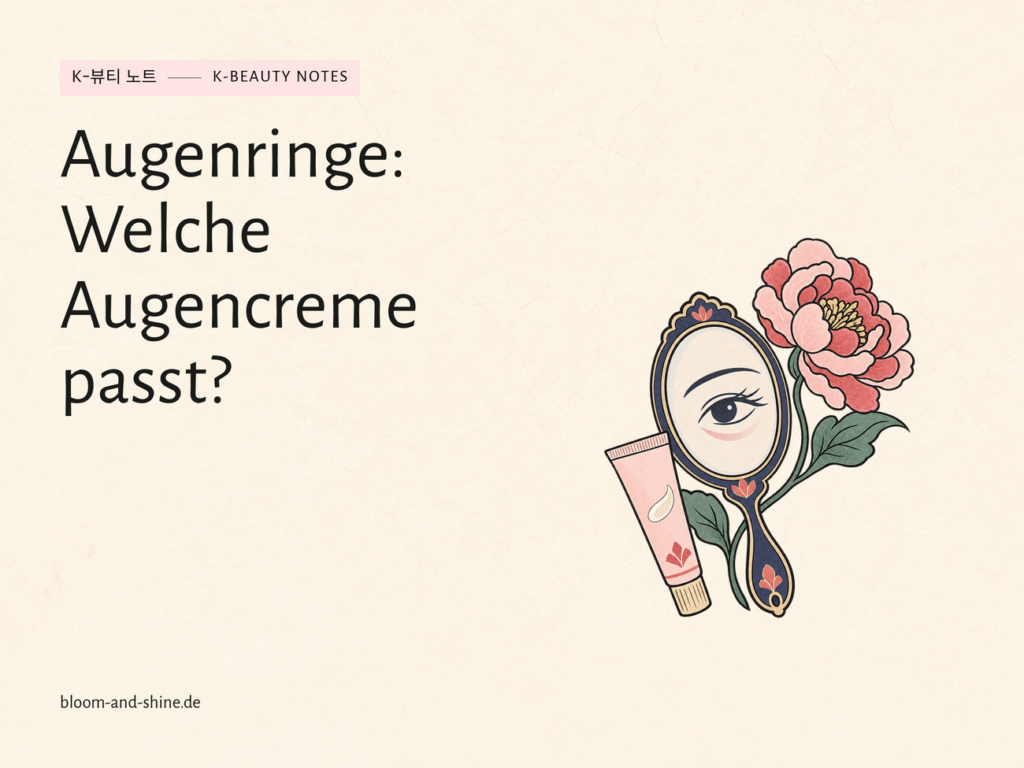
Eye cream for dark circles under the eyes: Which care is suitable for your dark circles under the eyes
Dark circles under the eyes look similar and can have different reasons. This way you can find the right eye care and see where your options end.
Eye cream for wrinkles: Understanding dryness lines and eye wrinkles
Fine lines after washing and wrinkles when smiling are different things. So you choose eye care based on skin feel, formula and realistic expectations.
Milky Toner: What actually makes a facial toner milky?
Why toners look milky, why some can be shaken and what the appearance says about replacing a cream.
Squalane: What is it – and is squalene the same?
Squalane and squalene briefly distinguished: oil component, water binder and a suitable serum example for your routine.
Ectoin: What’s behind the ingredient in your moisturizer?
Ectoin briefly explained: Where the ingredient comes from and how it fits into a manageable moisturizer together with panthenol.
Glycerin for the skin: why is it in so many creams?
Glycerin is often already part of your daily care. Here you can find out what the water binder does and how it comes together with squalane in a cream.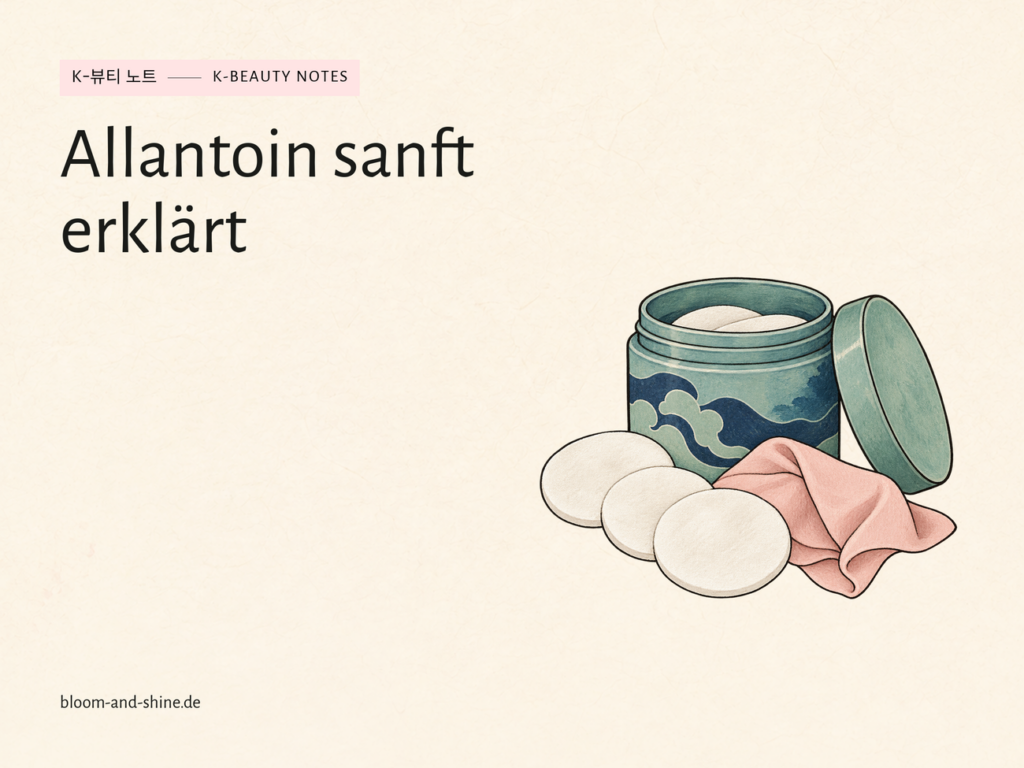
Allantoin: What does the inconspicuous ingredient do in your skin care?
Allantoin in brief: This is how you recognize the nourishing ingredient and classify it using the example of the Biodance Cera-nol Toner Pads.
Slugging: What does the rich finish to your evening skin care mean?
A thin, final layer can help dry skin retain moisture. When slugging is appropriate and which evenings you skip.
Galactomyces: What does Ferment Filtrate mean?
The long name Galactomyces Ferment Filtrates is clearly resolved - with a cream example for everyone who likes to keep their routine short.
Aloe vera: Muss es immer ein Gel sein?
Aloe vera is also used in rich care. What distinguishes the leaf extract from the finished gel or cream.
Propolis: Is bee resin suitable for sensitive skin?
Propolis can be an easy moisturizing step. For sensitive skin, individual tolerance counts.
Natto Gum: What does it do in your toner?
Natto Gum forms a fine film on the skin. A quick look at its purpose and a toner that contains it.
Algae in care: What is behind Laminaria?
What Laminaria Japonica Extract means and how seaweed extract is found in a light facial mist.
Ginseng water and ginseng extract: what is the difference?
Root water and extract are different ingredients. This is how you read the ginseng names on your Essence.
Rice Extract: Why there is rice in your toner
Rice extract briefly explained: What it does in your skin care and how a milky rice toner fits into your routine.
How much cleanser, serum and cream do you actually need?
A pump stroke varies depending on the bottle. Lee uses three specific products to show you how to follow the instructions, skin surface and feeling of care.
d’Alba: Correctly classify truffle serum, cream and stick
Spray serum, two care chambers or a stick for on the go? Lee walks you through d’Alba and helps sort through similar names and different uses.
Snail Mucin in Skin Care: What is Snail Mucin?
The texture pulls strings, the name raises questions. Lee explains what snail secretion filtrate is and what is important in a snail essence.
Ceramides: Why they are in many care creams
Ceramides are part of the skin itself and are in many care creams. What matters is the finished formula and how your skin feels - not the number on the pack.