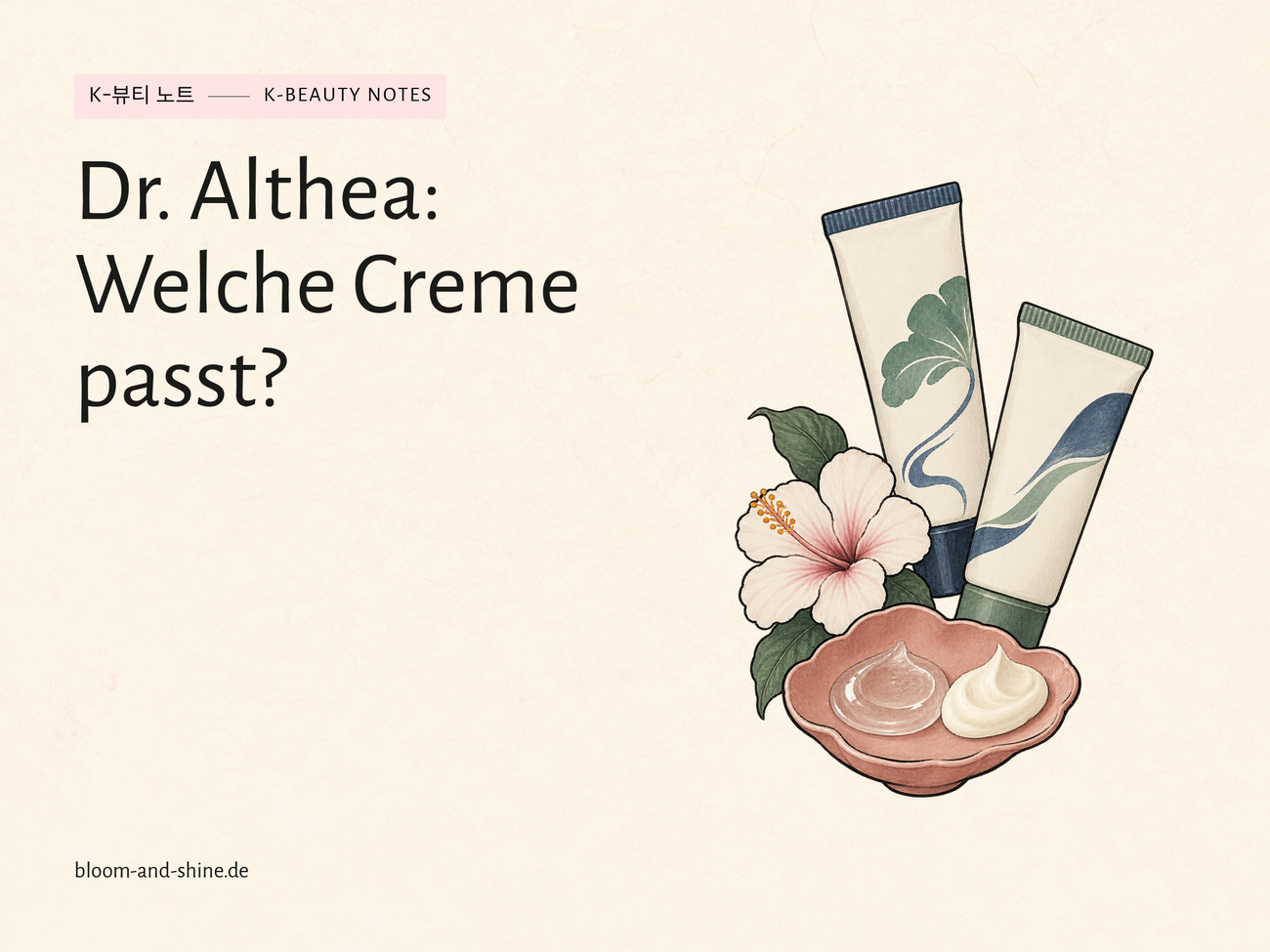
Which moisturizer suits your skin?
Sometimes it needs a creamier texture, sometimes a smaller amount. Lee helps you choose moisturizer based on how your skin feels and your daily routine.


Which moisturizer suits your skin?
A cream can feel wonderful when you first apply it and an hour later it can be too much. Or it disappears so quickly that you want to reach for the jar again shortly afterwards. Both are more helpful when choosing than a particularly nice word on the packaging.
Maybe you’re looking for something that fits under your sunscreen in the morning. Maybe your cheeks feel dry while your nose shines. This concrete observation is a pretty good start.
Gel, lotion or cream?
A gel usually feels light and rich in water. If a clear care film quickly bothers you, this could be pleasant. A lotion is more fluid than a classic cream and is easy to spread. Creams are often richer and are a sensible starting point for dry skin. These are tendencies; Even one gel cream can turn out completely different than the next. The American Academy of Dermatology explains these differences between moisture textures .
Instead of ordering three new products right away, look at what you already use first. What do you like about it? And what exactly should change? “The cheeks should feel less dry in the evening” is more helpful in the search than “I need a better cream”.
The packaging is also part of it. A pump dispenser at the sink can be more practical than a jar if you’re short on time in the morning. Maybe you just like scooping up a cream with a small spatula. Such preferences do not have to be scientifically justified.
If your cheeks and forehead want something different
If you have combination skin, you don’t have to distribute the amount equally everywhere. You can start on the drier cheeks and stay more sparing on the shiny forehead. This doesn’t have to become two complete routines. You can find out more about this in our notes about combination skin and its care .
If necessary, write down where it actually feels tight: right after washing, only in the afternoon or just next to your nose? This little note is also helpful for a consultation. “Dry” can mean a lot of other things.
If your skin is generally rough and flaky, our article about dry skin will give you further guidance. Persistent burning, significant itching or inflamed areas should be examined dermatologically; The next rich cream is then not a sure answer.
What a moisturizer actually brings together
Moisturizing often combines several tasks. Water-binding substances such as glycerin help to retain water in the outermost layer of skin. Other components make the surface more supple or slow down water loss. These properties work together in a cream. DermNet explains the different components of moisturizer.
You don’t have to memorize the entire list of ingredients. To make your selection, a simple question is enough: Am I looking for a light addition or do I want more creamy care? A single ingredient printed in large print doesn’t answer that. How the finished product feels and whether you can cope with it cannot be determined from its name alone.
A creamy example: Pyunkang Yul Moisture Cream
The Pyunkang Yul Moisture Cream is an example if you are specifically looking for a cream texture. The formulation we currently list includes jojoba oil and shea butter; The product is offered without added fragrances.
This still leaves the question of which cream is the right one for you. Maybe you like this exact texture on your cheeks. Maybe you prefer something lighter in the morning. Even a fragrance-free cream can be individually intolerable.
If you already have a cream that is comfortable to wear, there is no reason to replace it just because of a different brand name. “I can cope well with this” is also valuable information for advice.
The cream has to fit into your morning
When trying it out, think about the whole process. How does it wear with the sunscreen you actually use? Do you like the way your skin feels even after breakfast? And if you wear makeup, can it be applied over top the way you like?
The overview of the Korean skincare routine helps you to classify the cream between the other steps. Uncomplicated care does not automatically require a serum. Applied to slightly damp skin after cleansing, moisturizer can retain water better. Sun protection is also necessary during the day; an ordinary cream does not replace it. There are also the basic recommendations of the American Academy of Dermatology .
With a new cream, it’s worth being patient before using it all over your face. The AAD recommends testing new care products on a small area of skin for seven to ten days, according to their instructions for tolerance testing . This is not a guarantee, but it can help you notice a reaction early. If possible, leave the other familiar products the same so that you can better assess the new cream.
What we know for sure
- Gel, lotion and cream describe different textures; the finished product remains crucial.
- Moisturizer can bind water and reduce water loss from the skin’s surface.
- Fragrance-free does not mean that a reaction is impossible.
- If there is a significant skin reaction, wash off the new product and do not continue to use it. If you have severe or persistent symptoms, seek medical attention.
Sources
- American Academy of Dermatology: Choosing the right moisturizer
- DermNet: Components and tasks of moisturizer
- American Academy of Dermatology: A simple care routine
- American Academy of Dermatology: Testing new care products
Product information and links checked on September 8, 2026.