Enzyme peeling: How is it different from AHA, BHA and cleansing powder?
Differentiate enzyme peeling, acid and friction - with simple rinsing instructions for a cleansing powder with papain and protease.

Enzyme peeling: How is it different from AHA, BHA and cleansing powder?
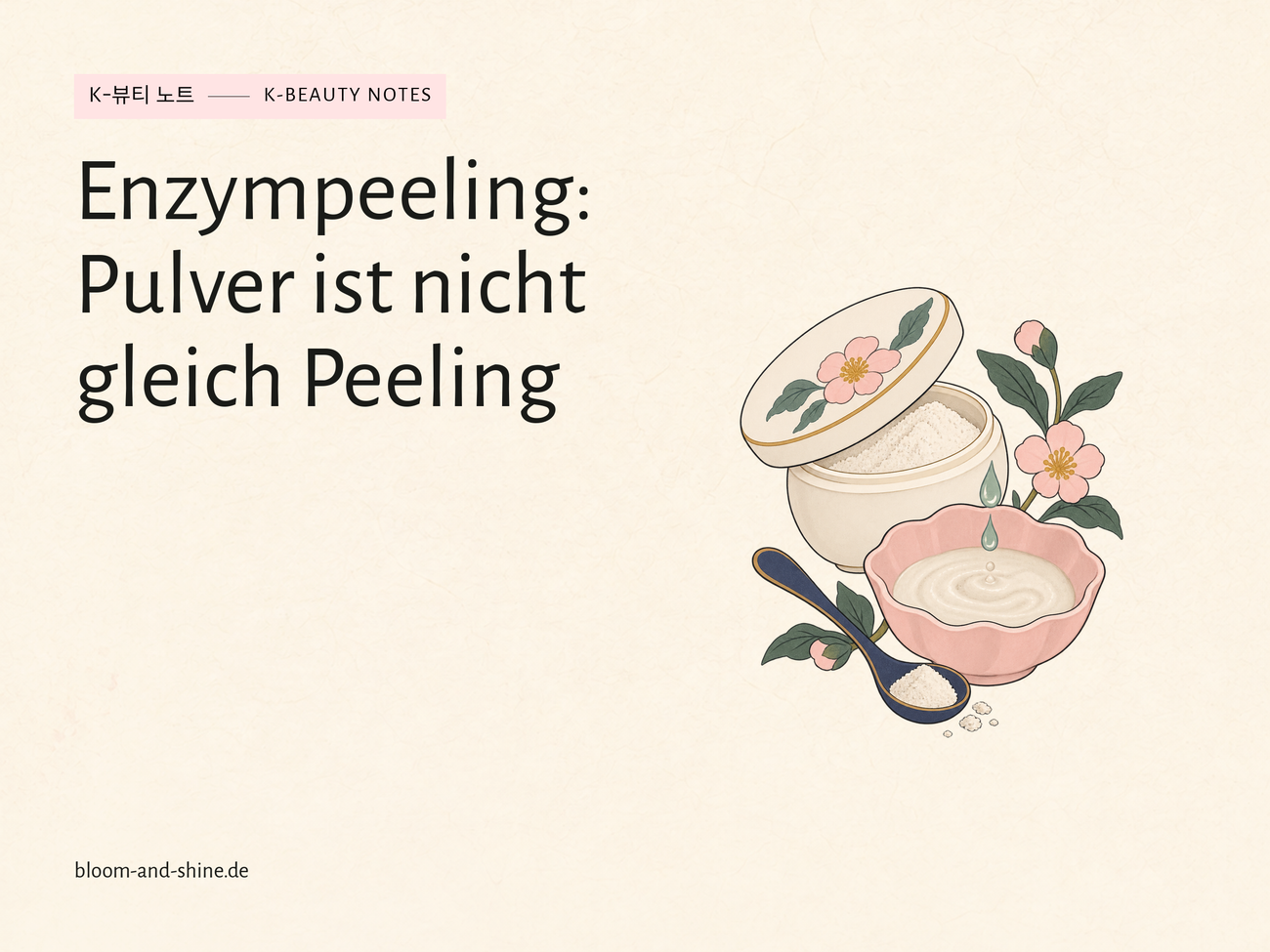
A little powder, a little water, and a soft paste is created in the hand. Cleaning powder is easy to dose. However, the powder form alone does not reveal whether it also exfoliates enzymatically.
How do you recognize an enzyme peeling?
Enzymes such as papain or certain proteases can break down protein compounds and thus support the removal of superficial skin cells. With AHA and BHA, acids take over the peeling step; A classic grain peeling works through friction. These ways can also come together in a product. The differences between the acids are explained in our article about AHA, BHA and PHA .
The Anua Rice Enzyme Brightening Cleansing Powder includes papain and protease in the list of ingredients. It also contains, among other things, cleansing surfactants, rice powder and kaolin. It is therefore a cleaning powder with enzymes and other ingredients that contribute to cleaning and texture – not an exclusively enzymatic product.
How to use the powder for cleaning
With dry hands, pour a small amount into the palm of your hand and add water. Mix the two together until you have a smooth paste that can be spread without rubbing vigorously. Massage gently onto damp skin, avoiding the eye area and rinse thoroughly with lukewarm water. This is followed by your usual moisturizer.
Keep the opening of the can dry and close it again. Water should only be added to the powder when it is used, not in the entire pack as a precaution. Even a firmer paste does not automatically mean a stronger or better peeling: the manufacturer’s intended mixture and application remain decisive.
How often does it make sense?
There is no common weekly schedule for enzyme peelings. Recipe, enzyme activity, contact time and the rest of the routine differ. If you’re new to the product, start with a single application and see how your skin feels afterwards and the next day. A pleasant result is no reason to immediately add every additional peeling step.
If you already use retinol or an acid peel, plan to start on another evening. If you have irritated, injured or sunburned skin, skip the peeling. Burning and noticeable tension are not signs of quality. “Enzymatic” does not automatically mean irritation-free or suitable for all sensitive skin.
And if your cleaning already works pleasantly? Then no peeling is necessary. A powder may be a suitable texture for you; The decision should depend on the feeling of care, not on whether there is still a step missing on the shelf.
Sources: Anua: Ingredients and cleaning , Investigation into the enzyme activity of cosmetic peelings , AAD: Use peelings carefully .