
If the skin feels tight or burns: Understanding the skin barrier
Suddenly the familiar cream burns. Lee explains what the skin barrier does, how you can make your care more manageable and when medical advice is necessary.


If the skin feels tight or burns: Understanding the skin barrier
Yesterday the cream was still easy to spread. Today her cheeks are burning, and there are three bottles on the sink that could be the cause. Then it is difficult to decide what the skin needs at the moment.
Maybe a peeling was added recently. Maybe nothing has changed in your care. Both are part of the question. “My skin barrier is broken” sounds like an explanation, but it cannot be derived from the burning sensation alone. DermNet also describes sensitive skin with burning or stinging without visible inflammation .
What the skin barrier does for you
The epidermis forms a boundary between our body and the environment. It slows down water loss and makes it more difficult for substances and microorganisms to penetrate. On the very outside lies the horny layer , also called the stratum corneum: several layers of flattened horny cells. DermNet explains this structure in its overview of the structure of the skin .
The stratum corneum is therefore not a superfluous coating that we should polish away as thoroughly as possible. It belongs to a skin that can fulfill its tasks. If a cream says “barrier” on it, the name refers to this protective function. However, it doesn’t tell you what’s causing your symptoms or whether this cream is right for you.
A close look at the last few days
Frequent washing, soaping and rubbing can irritate the skin. The frequency and duration of contact also play a role; several stresses can come together. In irritant contact dermatitis, such influences trigger inflammation. Diagnosis requires a history and a medical examination. DermNet describes the causes and classification of this irritation.
Ordinary notes help when discussing this: Since when has it been tense? Are you craving a specific product? Did you use the cleanser more often or rub harder with a towel? A photo of the location and the names of the products used can also make it easier to explain.
“Overcare” is a pretty imprecise word. It does not name a specific product or disease. So you don’t have to guess who the culprit is in the bathroom cabinet. A manageable process initially only makes it easier to see what you use and when.
Making the routine easier for now
If a cosmetic treatment causes a significant reaction, wash it off carefully and stop using it. The American Academy of Dermatology recommends this approach in the event of a reaction to a care product . Don’t try to compensate for the burning with more layers of the same product.
If you have dry, stressed skin, it’s also worth taking a look at washing: lukewarm water, a mild cleanser and then careful dabbing are sensible starting points. The AAD recommends gentle cleansing and care without fragrances for dry skin. Here are your recommendations for dry skin.
An additional evening of peeling or a new active serum can wait while you clear up the reaction. Preparations prescribed by a doctor belong in a different conversation: discuss complaints with the treating practice instead of changing their use based on a routine cosmetic recommendation.
What a cream can contribute
Moisturizer can retain water in the stratum corneum and reduce surface water loss. This supports the care of dry skin, but does not clarify the cause of inflammation. A moisturizer can also cause intolerance. DermNet explains both the tasks and possible reactions to moisturizing .
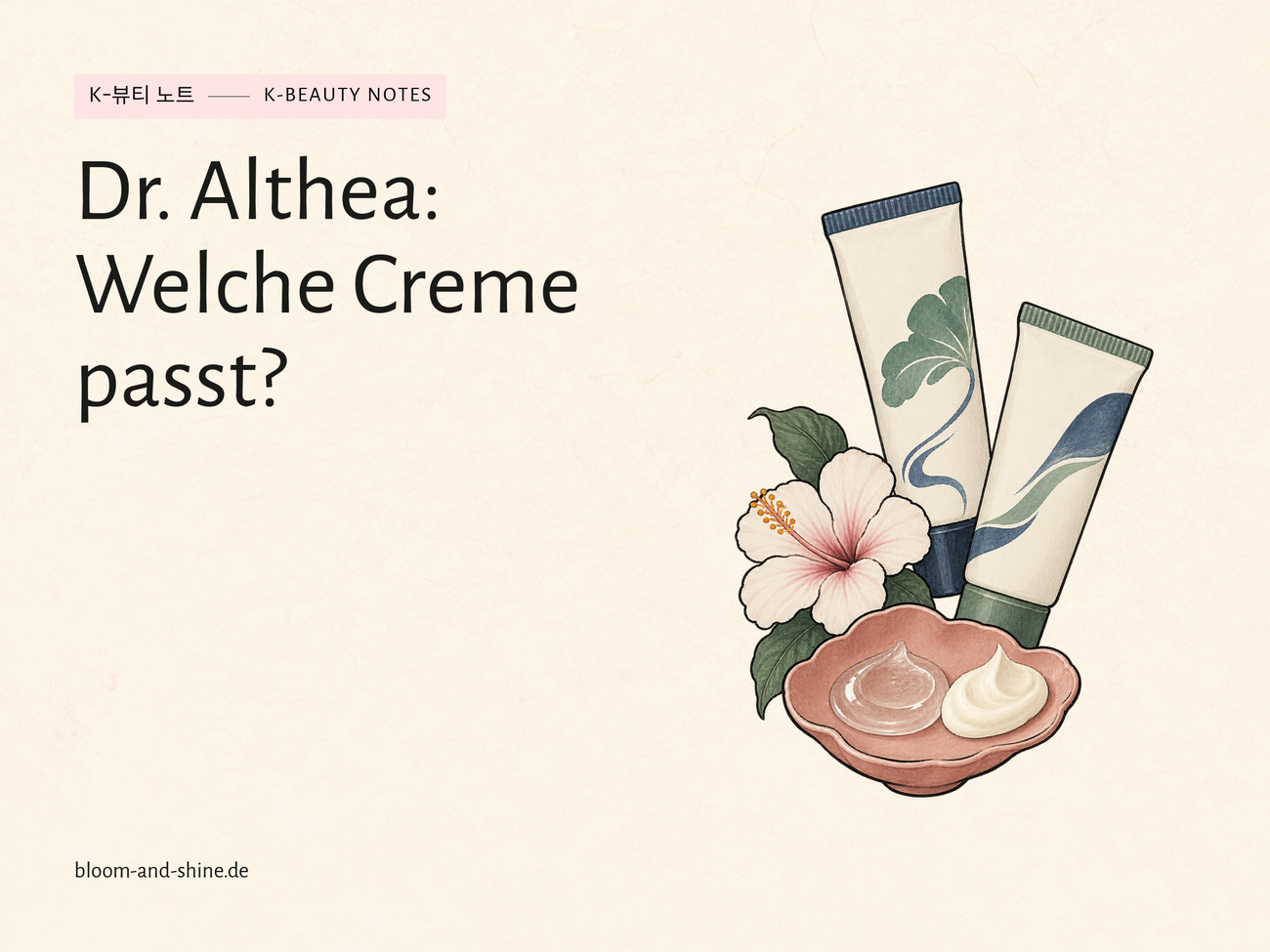
The ETUDE Soon Jung 2x Barrier Intensive Cream is a rich cream without added fragrance in the recipe described here. If you like to feel a little more nourishing on your cheeks after applying the cream, it’s worth a try. The list of ingredients listed there includes sunflower oil, panthenol and madecassoside.
This is an option if you are looking for a rich cream and your skin can tolerate it. Burning areas first need a suitable classification; the name “Barrier” does not answer this question.
You can find a selection of ceramide, panthenol and moisturizing care under Building the skin barrier .
When advice on care is not enough
If you have persistent, recurring or severe symptoms, you should have them checked by a doctor. Medical advice is needed quickly if there is a severe reaction or possible signs of infection such as rapid deterioration, increasing pain, leaking fluid or feeling unwell. The NHS mentions these warning signs of contact dermatitis and recommends an examination if symptoms persist .
You don’t have to know whether it’s an allergy, an irritation or something else. This very question must remain open until it has been investigated.
Select again when the skin has calmed down
When selecting products later, the AAD recommends testing new care products on small areas for seven to ten days. Such a tolerance test at home does not replace a medical allergy test and does not guarantee tolerance on the entire face.
If you would like to rearrange your daily care routine, our overview begins with “What skin type do I have?” The article about sensitive skin and its care deepens the careful selection. Please bring your existing products with you to the consultation. A lot can often be explained by this.
When your skin feels comfortable again, the routine can gradually follow suit. In our Skin Longevity series – strengthening skin in the long term, we combine the skin barrier, appropriate moisturizer and UV protection to provide manageable care for the years to come.
What we know for sure
- The epidermis limits water loss and protects against external influences.
- Burning alone does not indicate whether there is a skin barrier disorder, an allergy or another cause.
- Moisturizer can support the skin; A specific cream is not automatically suitable for every reaction.
- Severe, recurring or persistent symptoms require medical clarification.
Sources
- DermNet: Structure of the skin
- DermNet: Sensitive skin
- DermNet: Irritant contact dermatitis
- DermNet: Moisturizing care and possible intolerances
- American Academy of Dermatology: Care for dry skin
- American Academy of Dermatology: Testing new care products
- NHS: Contact dermatitis – complaints and warning signs
- NHS: Contact dermatitis – when an examination makes sense
Product information and specialist sources checked on September 8, 2026.
Barrier Care in everyday life
Barrier Care often begins with omission: no hot water, no brush, no daily acid peeling and no several new active ingredients at the same time. A mild cleansing, a cream with humectants and lipids as well as sun protection form the calmer basis. If the reaction started immediately after a new product, the article What to do if the skin reacts to new care will help you? .
For a cosmetic question about your existing routine, you can ask Thu . Persistent, severe or weeping symptoms should be checked by a doctor.

[…] Bei bereits gereizter Skin hilft dir zunächst die Einordnung von Spannen, Brennen und skin barrier. […]
[…] Wenn Spannen oder Brennen dein eigentliches Anliegen ist, lohnt zuvor unser Beitrag über die skin barrier. Ein solches skin feel lässt sich nicht allein durch die Wahl eines neuen Serums […]
[…] feels very tight before trying it out, I would put additional products aside for now. The article Understanding the skin barrier helps you look at the existing care. And in the overview ingredients in K-Beauty you will find […]